Combed Histograms

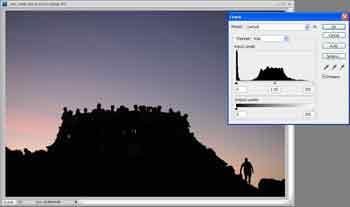
The normal distribution of tones in a digital image produces a smooth histogram with every one of the 256 tonal levels occupied. In a correctly exposed image, the peak of the graph is in the centre and the graph tapers down at each end to the 0 and 255 points.

Colour Reproduction

Different places and different times of day can affect the colours you capture in a digital photograph and all image sensors are designed to reproduce a wide range of hues and tones accurately. From the harsh desert sunshine to the misty rainforest; from sunrise to dusk; indoors and out; your camera should be able to produce pictures that capture the colours and atmosphere of the place and time of day.

Capture The Magic Of Clouds

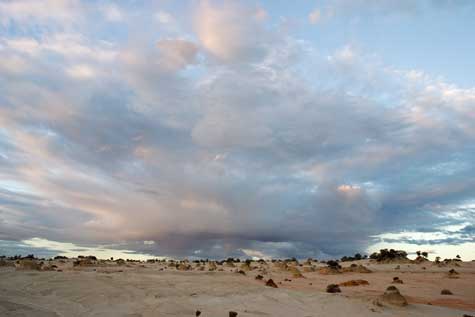
Clouds have been a popular subject with photographers since panchromatic film made it possible to differentiate them from the sky in photographs! They still remain popular. The inclusion of interesting clouds can make a landscape shot, and they are often worth photographing simply for their structural beauty. However, photographing clouds can present some problems for digital photographers.

Colour fringing explained

Expect to hear a lot more about colour fringing in digital photos as the pixel counts for compact digicams continue to rise, while sensors become smaller. At the same time, expect to see the true reasons for colour fringing misattributed more often than not. To ‘put you in the picture’ (so to speak), if you see coloured fringes along edges in a photograph it can be attributed to one of two effects: chromatic aberration or blooming. The problem is deciding which one is the cause.

Burst Modes – and How They Work

The burst (or continuous shooting) mode on a digital camera is a new feature for those who have never used a film SLR but a familiar one for most SLR users. However, the way it works – and the options provided – are quite different on digital still cameras (DSCs). Whereas film cameras were dependent on how quickly and accurately the motor drive could jump the film through the film gate, digital cameras rely on the speed of the data processing system and the size of the internal ‘buffer’ memory where the image is stored while it awaits processing.

Bracketing

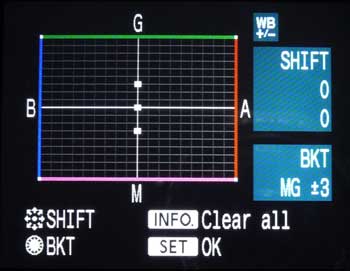
Many cameras offer one or more bracketing functions. The most common is auto exposure bracketing (AEB), which involves taking a series of pictures of the subject while changing the exposure level. The normal practice is to take three shots, one under-exposing by 1/3EV, the second at the metered exposure and the third over-exposing by 1/3EV. This basic strategy is a kind of ø¢â‚¬Ëœinsurance policy’ for obtaining a correct exposure (there’s a good chance at least one of the three shots will be correctly exposed).

Bokeh

Photographers often use the Japanese term, ø¢â‚¬Ëœbokeh’ to describe the quality of the out-of-focus areas in an image produced by a camera lens using a shallow depth of field. Though it’s difficult to quantify, some lenses produce more attractive bokeh than others.