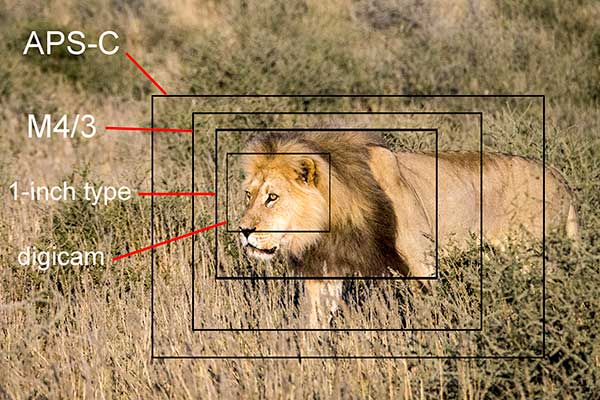
The term ‘crop factor’ arose from a need to help 35mm film SLR photographers understand how their existing lenses would perform on cameras with smaller image sensors than traditional 35mm film.


The term ‘crop factor’ arose from a need to help 35mm film SLR photographers understand how their existing lenses would perform on cameras with smaller image sensors than traditional 35mm film.

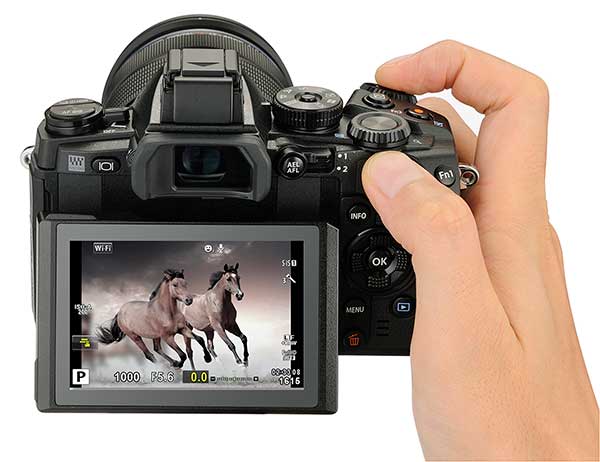
In this article, Photo Review technical editor Margaret Brown offers practical tips and advice on how to use both monitor and viewfinder to frame and evaluate the photos you intend to capture. Margaret uses a compact system camera for illustration in this article, and most of the tips and advice apply also to DSLR cameras.

Different cameras provide different levels of control, ranging from very basic to highly sophisticated. More sophisticated cameras have external mode dials, although the functions that can be accessed via these dials can vary between simple and highly automated and professional standard.

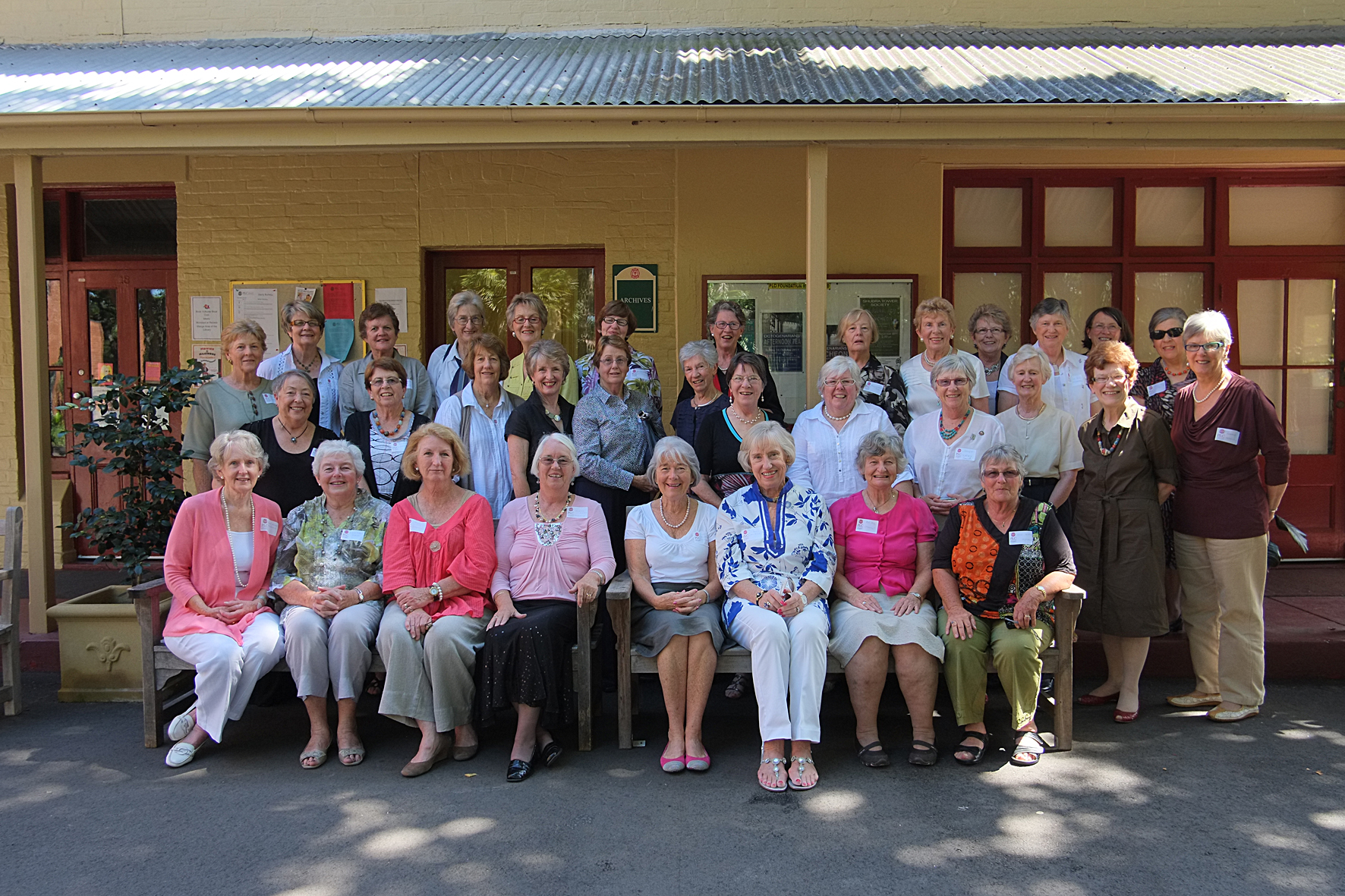
Sooner or later, every photographer is sure to be asked to take a group photo, either at a family get-together or a reunion of friends and/or classmates or colleagues. It’s a daunting prospect and the larger the group you have to photograph – and the more diverse their ages – the more intimidating it can become. Here’s how to handle it and produce a well-admired group portrait…

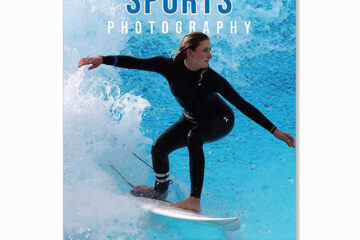
How to make the most of photo opportunities when you’re close to water.

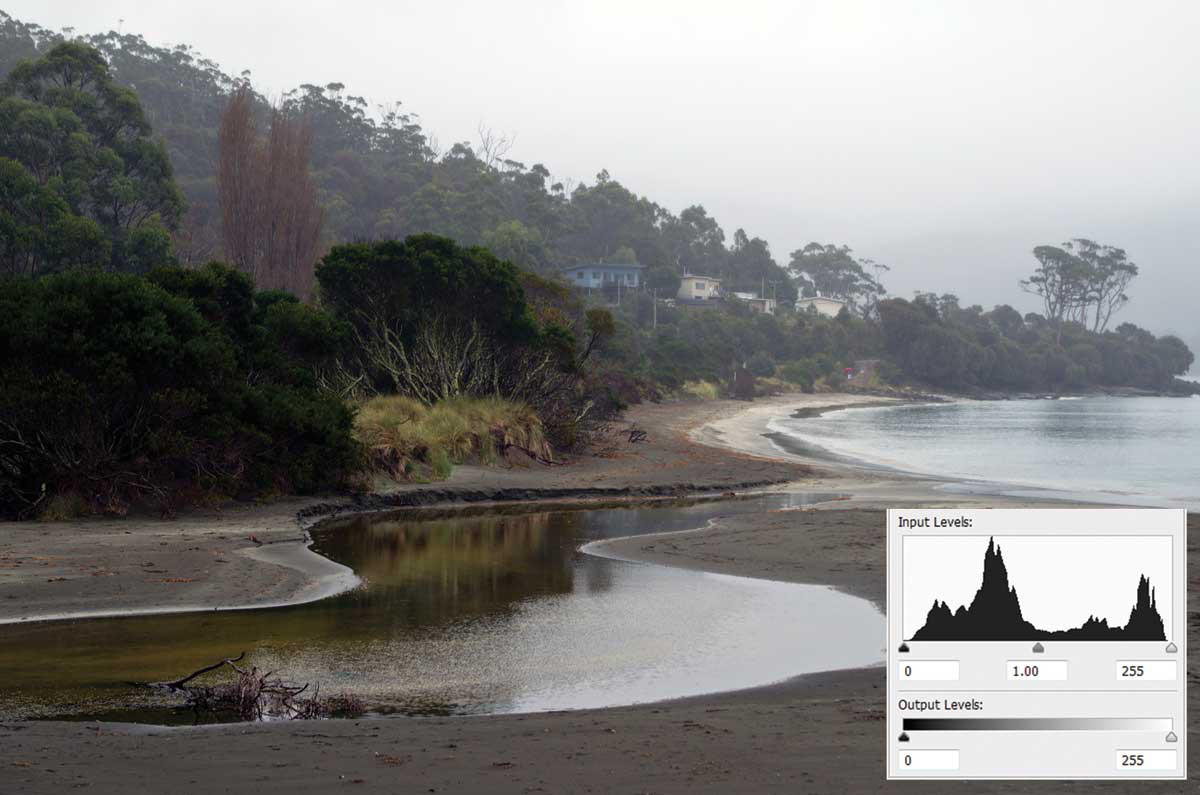
The histogram display can provide a useful guide for setting exposures because its shape reflects the tonal distribution in your subject.

Smart autofocusing can mean the difference between a usable image and a missed opportunity that will be discarded. Focusing also influences depth of field: the range of distance within a scene that appears acceptably sharp.

Don’t put your camera away once the sun goes down; there’s plenty of magic to record after dark, whether you’re in a bustling city or an isolated landscape. And you don’t require elaborate equipment if you decide to hand-hold your camera.

Professional photographers and serious enthusiasts capture still images as raw files whenever possible. The reason is simple: raw files provide more image data and give photographers much greater control over white balance, saturation, sharpening and contrast in their images.

For Paul Gummer, great photography is all about the expression of feeling.
Ads can be a pain, but they are our only way to maintain the server. Please deactive Ads blocker to read the content. Your co-operation is highly appreciated and we hope our service can be worth it.