In 2012, in Australia and all over the world, the bottom fell out of the compact camera business, with sales dropping in volume terms by up to 50 percent.

Inspiring ways to improve your photos
Inspiring ways to improve your photos
In 2012, in Australia and all over the world, the bottom fell out of the compact camera business, with sales dropping in volume terms by up to 50 percent.
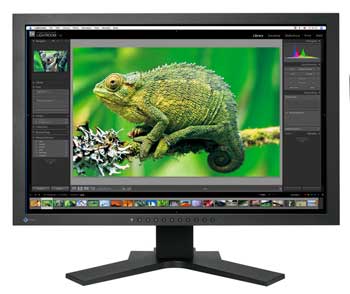
Before purchasing a monitor for image editing, make sure it has the following features.
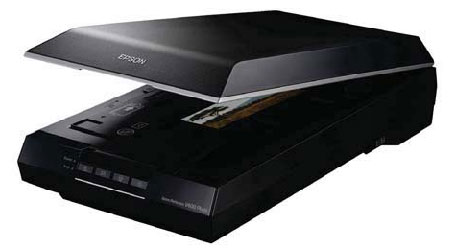
This article will concentrate on scanners for digitising photographs and look at two types: flatbed and film.

On Tuesday, 5 August, 2008, Olympus and Panasonic jointly announced a new digital camera format. Based on the existing Four Thirds system and using the same 18.0 x 13.5 mm sensor, the new Micro Four Thirds (MFT) system – which has also been tagged the EVIL (Electronic Viewfinder Interchangeable Lens) specification – promises even smaller, lighter interchangeable-lens cameras. Technically, cameras built for the new system won’t be DSLRs. They will have no reflex mirror system and optical viewfinders will be replaced by electronic finders.
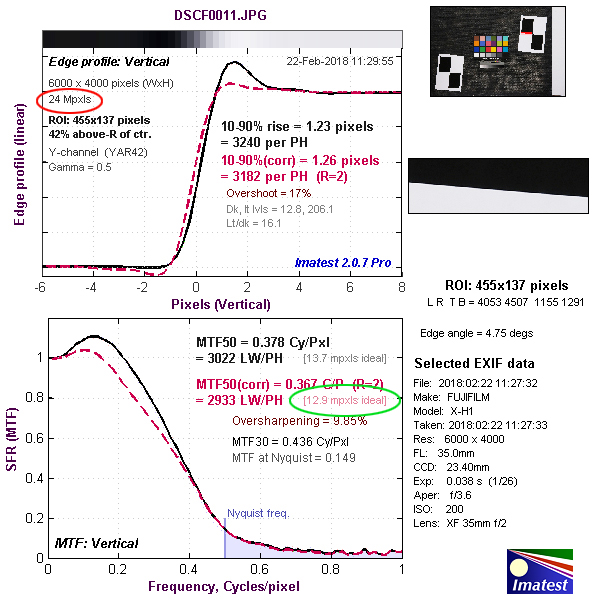
An outline of our review philosophy and test procedures to compare the performance of cameras and lenses.
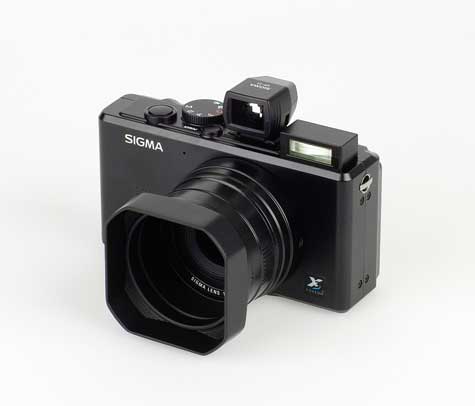
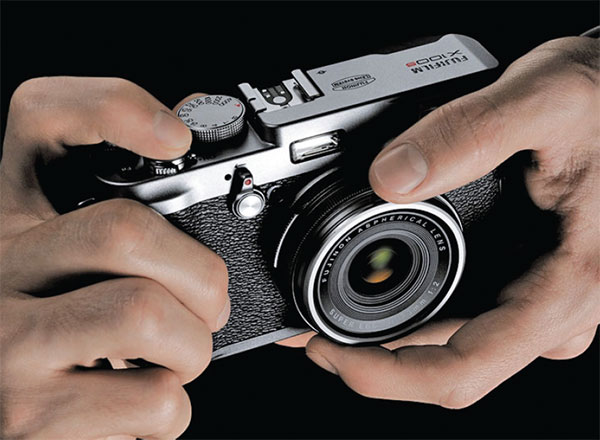
While photo enthusiasts generally prefer shooting with interchangeable-lens DSLR cameras, there are times when you simply don’t want to drag all the related paraphernalia about with you. It’s too bulky, too heavy, and it singles you out as a photographer with lots of expensive gear. Wouldn’t it be nice if there was a compact digicam available as a substitute?
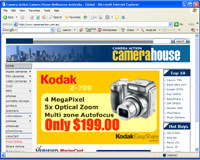
You’ve done all the research, set a budget, weighed up the options and decided on a camera model. Now it’s just a matter of finding the best deal.
Supplied by Nev Anderson of Anderson Camera Repairs, Capalaba, Brisbane.
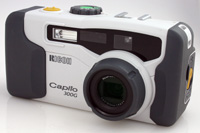
How to select the right type of camera and housing for a range of shooting situations.

Specification comparison tables:
 Latest news, reviews, tips, and new ways to improve and inspire your photography.





Ads can be a pain, but they are our only way to maintain the server. Please deactive Ads blocker to read the content. Your co-operation is highly appreciated and we hope our service can be worth it.
