Canon’s EF 200-400mm f/4L IS USM Extender 1.4X lens was announced in May, 2013 and was first put on show in Australia at the Vivid festival in Sydney, where it created considerable excitement.


Inspiring ways to improve your photos
Inspiring ways to improve your photos
Photo Review Reviews section
Canon’s EF 200-400mm f/4L IS USM Extender 1.4X lens was announced in May, 2013 and was first put on show in Australia at the Vivid festival in Sydney, where it created considerable excitement.
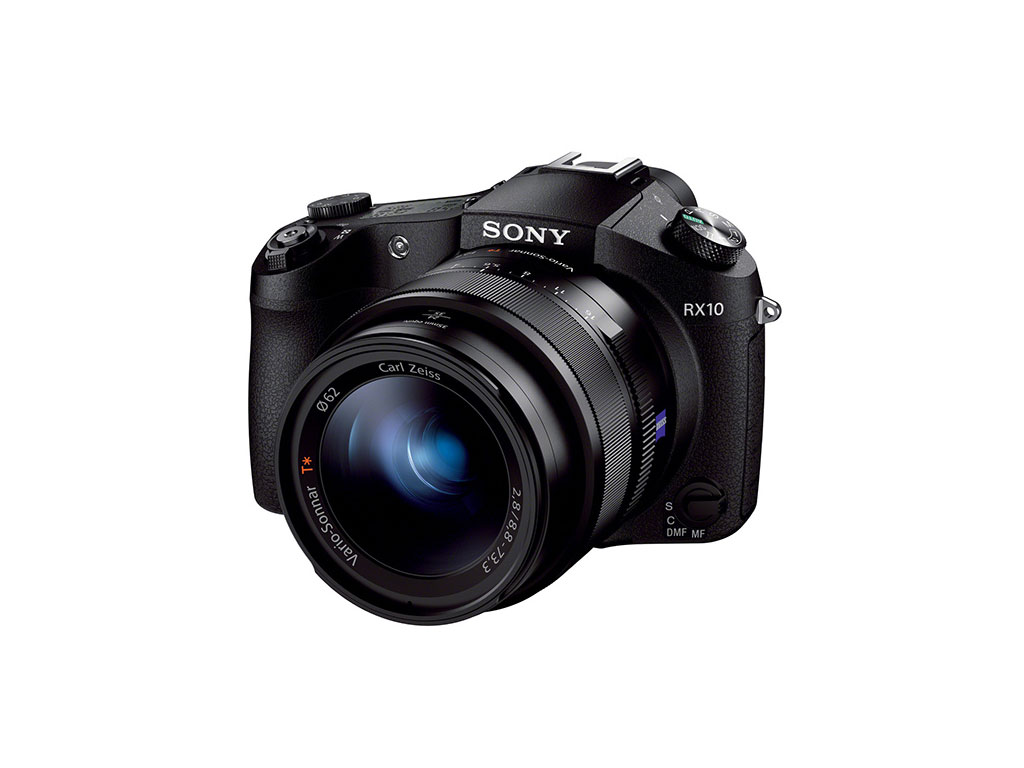
The new Sony Cyber-shot DSC-RX10 reprises the ‘bridge camera’ style that made the original Cyber-shot DSC-R1 popular back in 2005.

Targeted at photo enthusiasts, the 70D features a new 20.2-megapixel APS-C CMOS sensor that has been designed and manufactured by Canon. It also introduces the company’s innovative Dual Pixel CMOS AF technology.

Owners of Olympus OM-D EM-5 bodies will rightly see the E-M1 as a worthwhile upgrade option.

Sony’s Sonnar T FE 35mm f/2.8 ZA (SEL35F28Z) lens was announced concurrently with its two new ‘full frame’ interchangeable-lens compact system cameras. Designed by Zeiss, this lens carries a ‘Made in Japan’ label and is specifically for Sony’s E-mount. It’s supplied with an interesting lens hood, which, instead of flaring outwards, actually shades the front element, leaving a purpose-designed aperture to let in light without interfering with image creation.

Sony’s latest offerings bring full-frame imaging performance to palm-sized interchangeable-lens cameras.

The 30mm f/2.8 DN A is the middle model in the new ‘Art’ series lenses produced by Sigma for M4/3 and Sony NEX mirrorless cameras.

The wide angles of view of the AF-S DX Nikkor 10-24mm f/3.5-4.5G ED are its main attraction.

The AF-S DX Micro Nikkor 40mm f/2.8G was released in mid-2011 as an affordable macro lens for Nikon’s DX format cameras.

The XC 16-50mm f/3.5-5.6 OIS lens supplied with Fujifilm’s X-M1 and X-A1 cameras in Australia provides a slightly wider angle of view than the standard 18-55mm kit zooms, covering angles of view equivalent to 24-76mm on a 35mm camera.
 Latest news, reviews, tips, and new ways to improve and inspire your photography.








Ads can be a pain, but they are our only way to maintain the server. Please deactive Ads blocker to read the content. Your co-operation is highly appreciated and we hope our service can be worth it.
