

In summary
The M.Zuiko Digital 14-150mm f/4.0-5.6 II lens is popular as a kit lens because it covers so many shooting situations, which makes it an ideal choice for buyers of OMDS cameras who are taking their first steps into serious photography.
For its price, it is extremely versatile and its light weight and compact size will make it especially useful for travellers.
Full review
This popular kit lens for OMDS cameras was launched back in February 2015 before the camera division was cut loose from the Olympus brand. The M.Zuiko 14-150mm f/4.0-5.6 II improves on its 2010 predecessor by acquiring standard weather resistance and a ZERO coating on the front element to suppress flare and ghosting and make it more scratch-resistant. This is achieved with no increase in its physical dimensions and only a five-gram weight increase. We reviewed the lens on an OM-D E-M II camera body, which is roughly contemporaneous, being announced in September 2016.
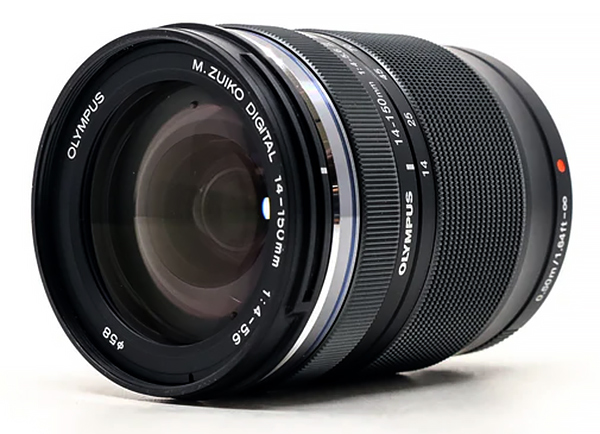
Angled view of the M.Zuiko Digital 14-150mm f/4.0-5.6 II lens without the supplied lens cap. (Source: OMDS.)
Covering a focal length range equivalent to 28-300mm on a full-frame camera, the M.Zuiko Digital 14-150mm f/4.0-5.6 II can be used for a wide range of situations from landscapes to portraiture and capturing the action at family sporting events. It also offers good close-up shooting capabilities, with a maximum magnification of 0.22x at 150mm.
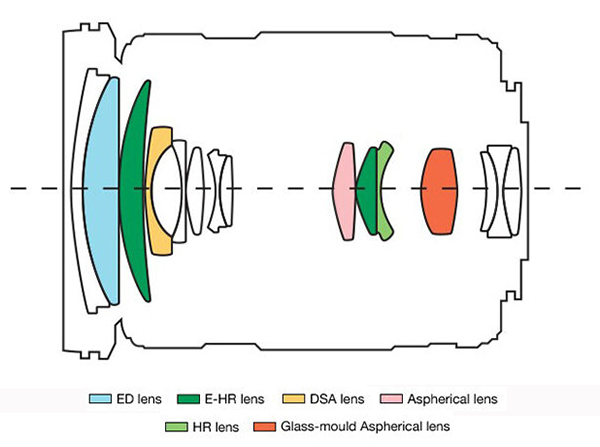
The optical design of the M.Zuiko Digital 14-150mm f/4.0-5.6 II lens showing the positions of the exotic elements. (Source: OMDS.)
The optical design of this lens, shown above, consists of 15 elements in 11 groups and includes one Dual Super Aspherical element, one aspherical element, two E-HR (Extra-High Refractive Index) elements and one high refractive index element to suppress spherical aberrations and distortion throughout the zoom range. An EDA (Extra-Low Dispersion Aspherical) element and one extra-low dispersion element are also used to reduce chromatic aberrations and proprietary ZERO (Zuiko Extra-low Reflection Optical) coating has been applied to individual elements to minimize lens flare and ghosting.
This lens comes with the proprietary MSC (Movie & Still Compatible) direct-drive motor that supports smooth, quiet and fast performance in both shooting modes. It also boasts an IPX1-rated dust-, freeze- and splash-proof design.
Who’s it For?
The M.Zuiko Digital 14-150mm f/4.0-5.6 II lens is popular as a kit lens because it covers so many shooting situations, which makes it an ideal choice for buyers of OMDS cameras who are taking their first steps into serious photography. For its price, it is extremely versatile and its light weight and compact size will make it especially useful for travellers. As a first lens with an OM System camera, this lens is hard to beat.
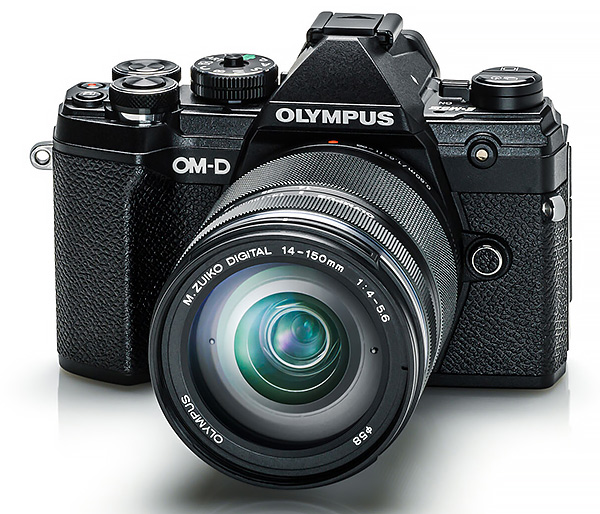
The M.Zuiko Digital 14-150mm f/4.0-5.6 II lens, shown without its lens hood, on an OM-D camera. (Source: OMDS.)
While it’s not particularly fast, particularly at the telephoto end of its range, that’s a consequence of its small size, light weight and low price. The table below shows the maximum apertures across the focal length range. (The minimum aperture is fixed at f/22.)
| Focal length | 14mm | 25mm | 45mm | 70mm | 100mm | 150mm |
| Maximum aperture | f/4 | f/4.7 | f/5.5 | f/5.5 | f/5.6 | f/5.6 |
For existing owners of OM cameras, the argument is less compelling. While it’s quite a good performer for its type and price tag, it can’t compete in image quality with the M.Zuiko Digital ED 12-100mm f/4.0 IS PRO, which has a constant f/4 maximum aperture as well as superior IP53-rated dust-proof and splash-proof construction.
Those who already have a 14-42mm basic kit lens will also be better off investing in the 40-150mm f/4-5.6 zoom tele lens, which we haven’t yet reviewed but is small and has an RRP of just under AU$300. Purchasers should also note this lens is not compatible with the manufacturer’s MC-20 and MC-14 teleconverters.
Build and Ergonomics
Like most kit lenses, the M.Zuiko Digital 14-150mm f/4.0-5.6 II lens is made mainly from tough industrial plastic, although it appears to have a metal outer barrel lining and sports a solid metal lens mount. Unlike most kit zooms, it comes with basic IPX1 rated weatherproofing, which sets it above its peers. It’s also supplied with a lens hood, which gives it a further advantage.
The front section of the inner barrel is 9 mm deep, with a filter ring that accepts 58 mm filters. A bayonet mounting for the supplied LH61C lens hood is on the outside of this section of the barrel. The petal-shaped lens hood is 40 mm deep with fine ridging on its inner surface to suppress internal reflections.
The front element of the lens is roughly 44 mm in diameter and bulges slightly outwards. It is surrounded by a 7 mm deep ring of finely-ridged black plastic that carries details of the focal length range and filter diameter for the lens plus the Olympus branding.
The focusing ring is located 5 mm behind the front of the outer barrel, separated by a metal band with a blue branding ring inscribed on it. It’s 10 mm wide and covered in moulded ridging. Since focusing is driven from the camera, this ring turns through 360 degrees when power is not supplied.
Immediately aft of the focusing ring is a 5 mm wide black band that carries the name of the lens. Behind it is the zoom ring, which is 30 mm wide. A 4 mm wide band on the leading edge of this ring carries focal length settings for 14mm, 25mm, 45mm, 70mm, 100mm and 150mm, which line up against an index mark on the band in front of it.
The zoom ring turns smoothly through a small arc of about 90 degrees between the 14mm and the 150mm positions, extending the inner barrel by approximately 60 mm.
The outer barrel dips inwards slightly behind the zoom ring forming a fixed 10 mm long band, followed by a flat, 6 mm wide band with information on the focusing range plus a red button for aligning the lens to the camera body.
The edge of the lens mount, which is indicated by a silver ring just behind this band, which has a thin rubber gasket to seal the interface against moisture and dust. The metal lens mount is solid and attaches securely to the camera without being difficult to fit and remove.
Performance
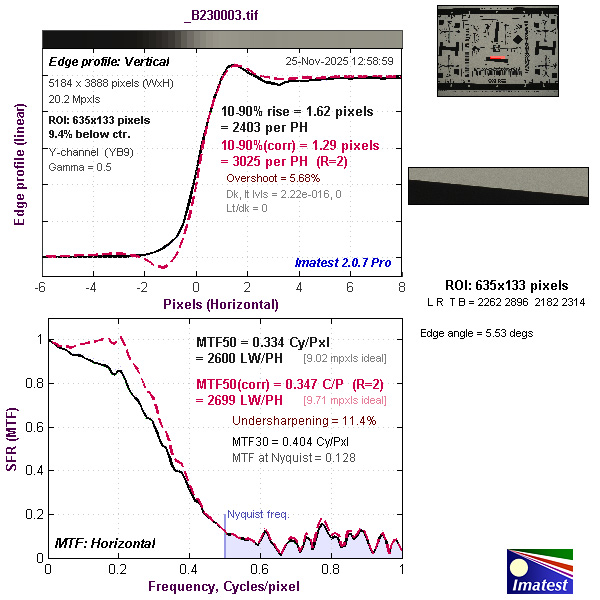
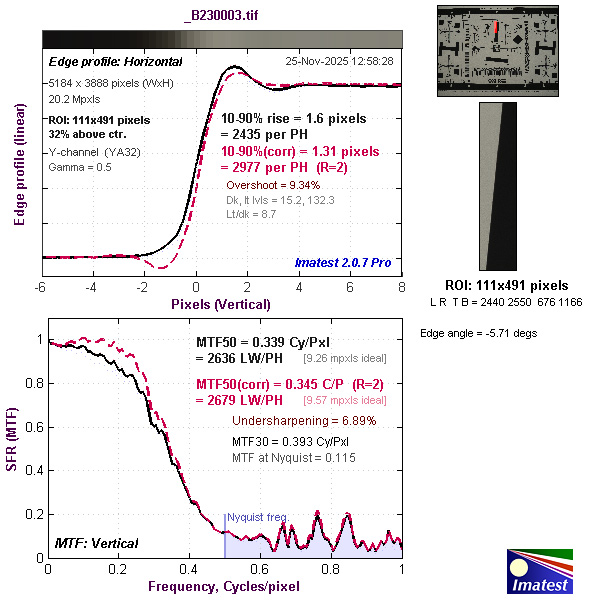
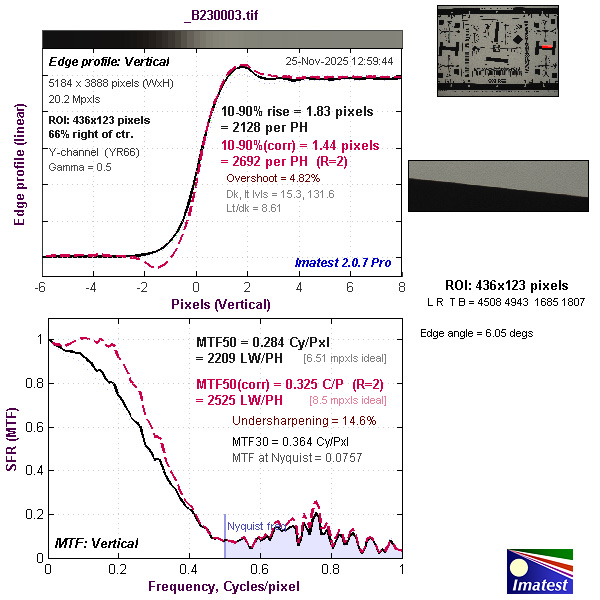
Like most high-ratio zoom lenses, the performance of the M.Zuiko Digital 14-150mm f/4.0-5.6 II lens varies across the zoom range. We measured the highest resolution at the 14mm focal length with an aperture of f/5 but it declined progressively as the focal length was increased, as shown in the graph of our Imatest result below.
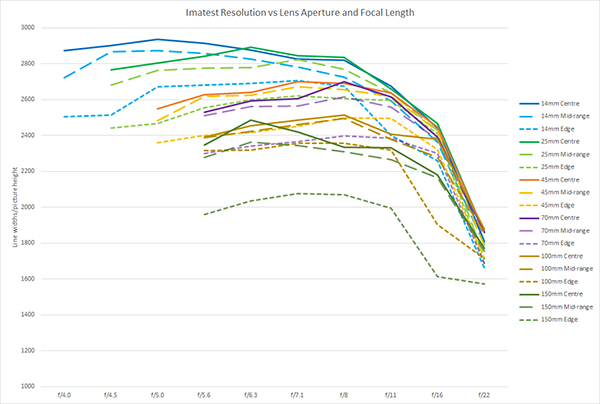
Edge and corner softening was common at wider apertures across the zoom range and greatest at the 14mm and 150mm settings. Fortunately, centre resolution remained quite good up to about f/7.1, when diffraction began to kick in.
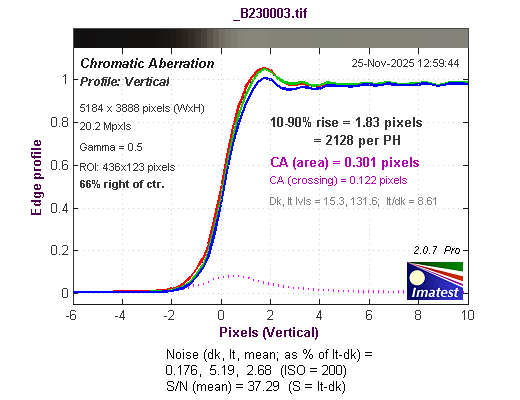
Since OM System cameras apply corrections automatically to JPEG files and similar corrections are applied to raw files in Adobe Camera Raw, we had to evaluate the most common aberrations by using an image viewer that didn’t apply corrections. We were unable to find evidence of significant chromatic aberration – and our Imatest tests showed any issues that existed were effectively addressed.
It’s reasonable to expect some vignetting and rectilinear distortion from a lens that covers such a wide focal length range. However, fortunately, both were less than we expected.
We found slight vignetting at the maximum apertures for all focal lengths, particularly the longest ones. However, stopping down made it less noticeable and it became negligible between f/7.1 and f/8, depending on the focal length.
Rectilinear distortion was obvious as barrel distortion at the 14mm focal length but was barely visible by the 25mm position. From there it shifted into very slight pincushioning, although it was never bad enough to cause any problems. Since both vignetting and distortion are effectively addressed in the camera and most raw file converters) we don’t see either as a major issue.
We found autofocusing to be consistently fast and accurate in all our tests, even on an older (2016 vintage) OM-D E-M1 II camera body which lacks the latest technologies. The image stabilisation system in the camera proved very helpful when handling the relatively slow maximum apertures at longer focal lengths in poorly-lit situations.
However, flare could be an issue with this lens, both as veiling flare when a bright light source is inside the frame and in the form of the colour artefacts that accompanied all of our sunstars tests. Fortunately, normal backlit shots were handled very well, thanks in part to the supplied lens hood. Examples can be seen in the Samples section of this review.
Bokeh was a little better than you’d expect from such a slow lens. At wider angles of view, it was impossible to achieve a smoothly blurred background in cluse-up shots, while although backgrounds were somewhat smoother in shots taken at focal lengths of 70mm to 150mm they couldn’t be classed as ‘creamy’. Outlining of highlights was common throughout the zoom range and even areas that were slightly lighter than the background could be outlined in some situations.
Conclusion
Login or Register to access the full article.
SPECS
Picture angle: 75 to 8.2 degrees
Minimum aperture: f/22
Lens construction: 15 elements in 11 groups (including 3 aspherical elements of which one is ED glass plus 2 ED elements) plus ZERO (Zuiko Extra-low Reflection Optical) multilayer coating
Lens mounts: Micro Four Thirds
Diaphragm Blades: 7 (circular aperture)
Weather resistance: IPX1 rated dust- and splash-proof
Focus drive: Movie & Still Compatible (MSC) direct-drive type AF motor
Stabilisation: No (relies on in-camera IBIS)
Minimum focus: 50 cm
Maximum magnification: 0.22x
Filter size: 58 mm
Dimensions (Diameter x L): 63.5 x 83 mm
Weight: 285 grams
Standard Accessories: Front and rear caps, LH-61C lens hood
Distributor: OM Digital Solutions Australia Pty Ltd
TESTS
Based on JPEG images captured with the OM-D E-M1 II camera.
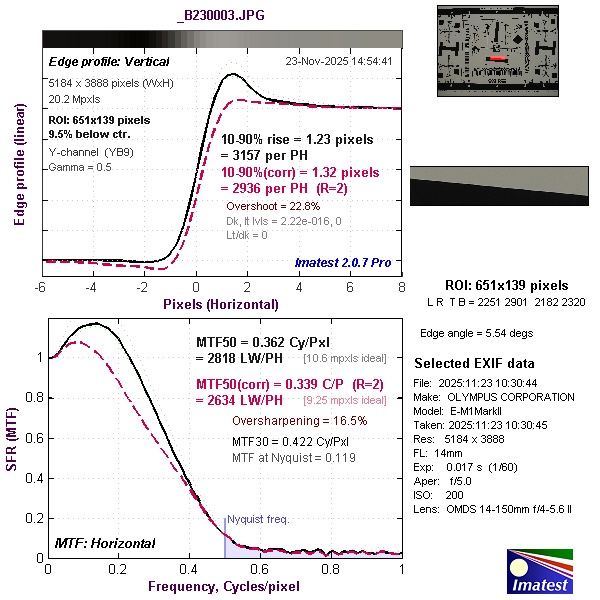
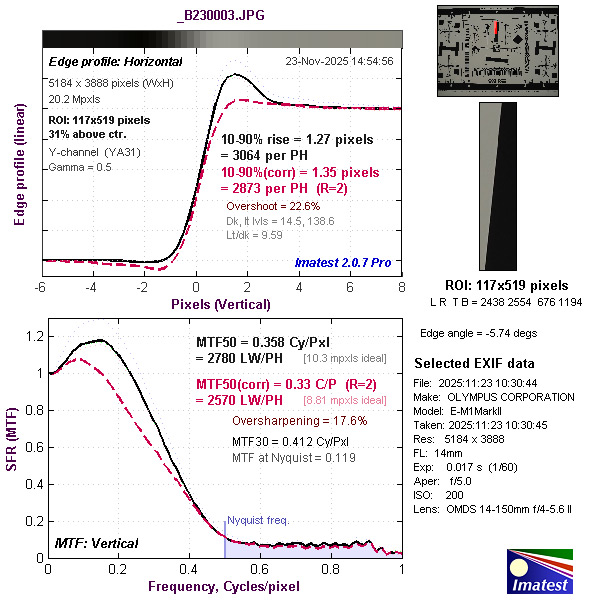
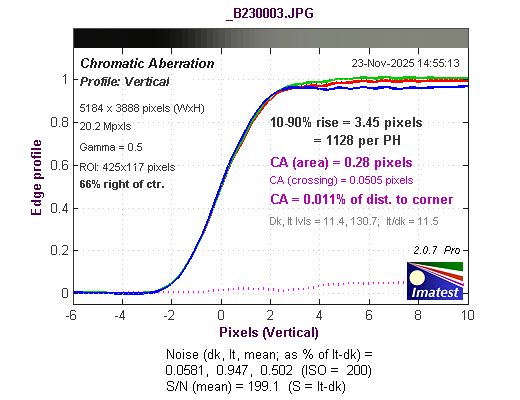
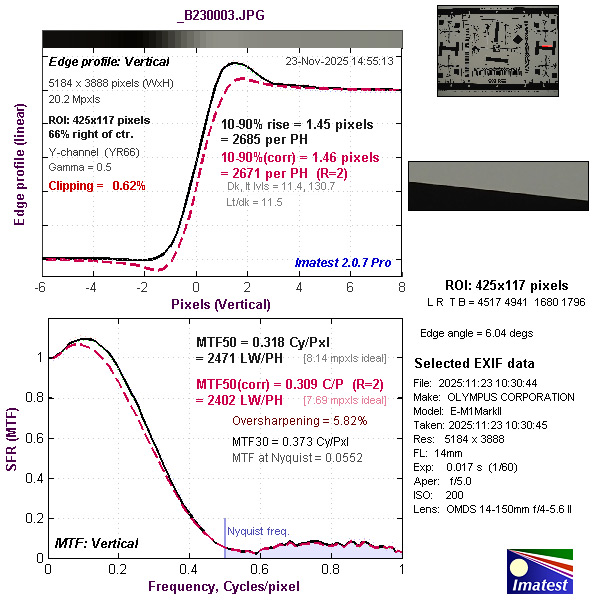
Based on ORF.RAW files recorded simultaneously and converted into 16-bit TIFF format with Adobe Camera Raw.
SAMPLES

Vignetting at 14mm f/4.0.
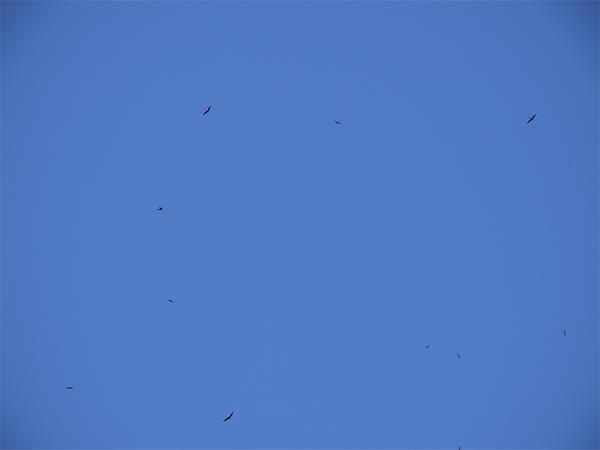
Vignetting at 70mm f/5.5.
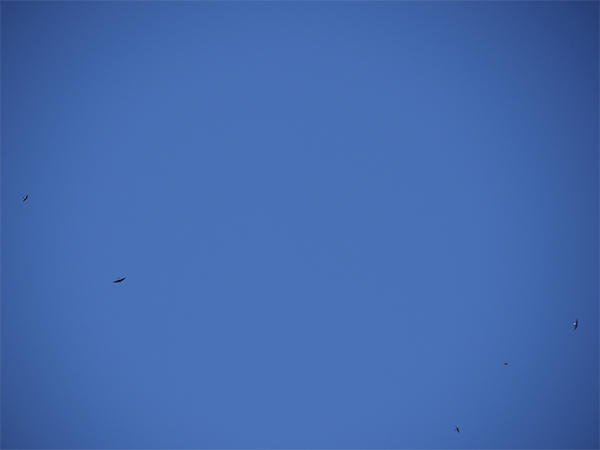
Vignetting at 150mm f/5.6

Rectilinear distortion at 14mm.

Rectilinear distortion at 25mm.

Rectilinear distortion at 50mm.
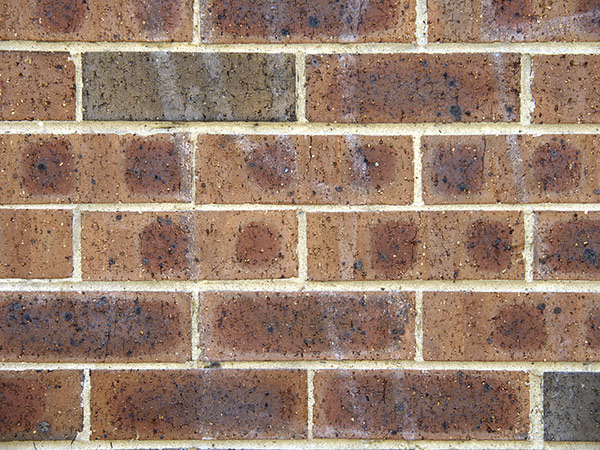
Rectilinear distortion at 70mm.
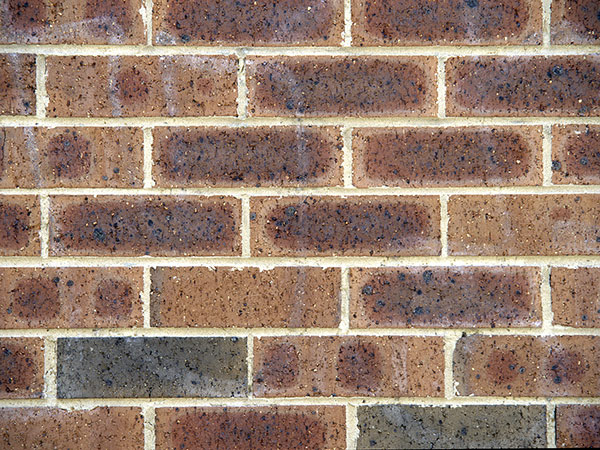
Rectilinear distortion at 100mm.
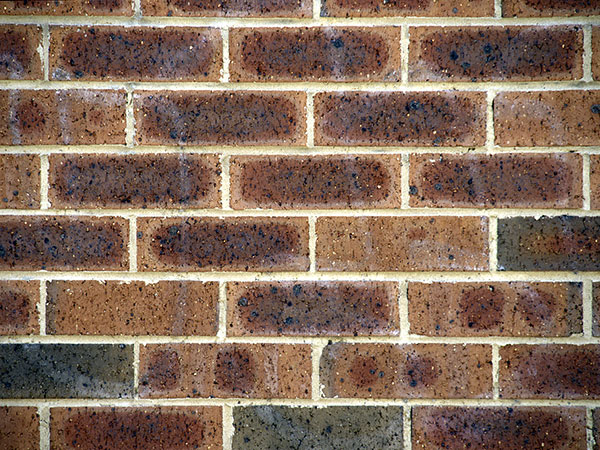
Rectilinear distortion at 150mm.
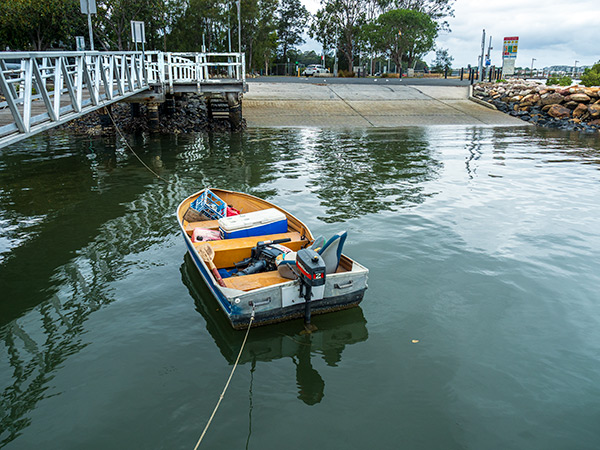
14mm focal length, ISO 200, 1/200 second at f/7.1.

150mm focal length, ISO 200, 1/400 second at f/7.1.

Veiling flare; 45mm focal length, ISO 800, 1/200 second at f/6.3.
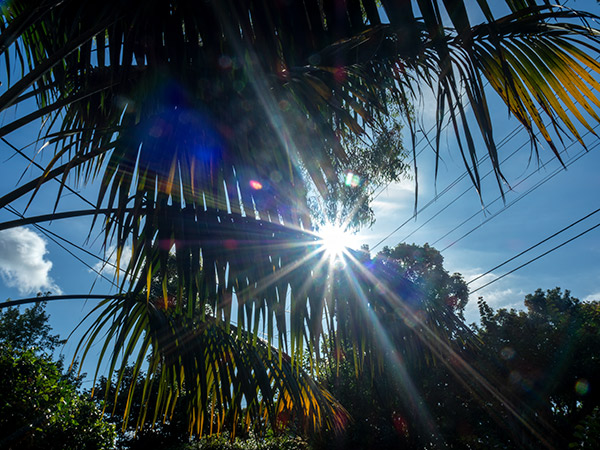
Sunstar at 14mm focal length, ISO 200, 1/60 second at f/22.
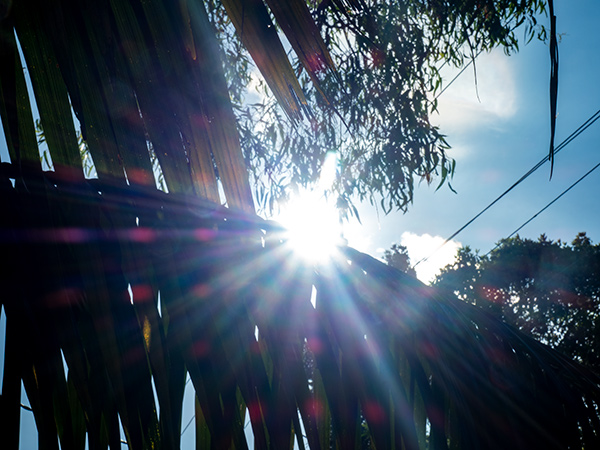
Sunstar at 45mm focal length, ISO 200, 1/100 second at f/22.
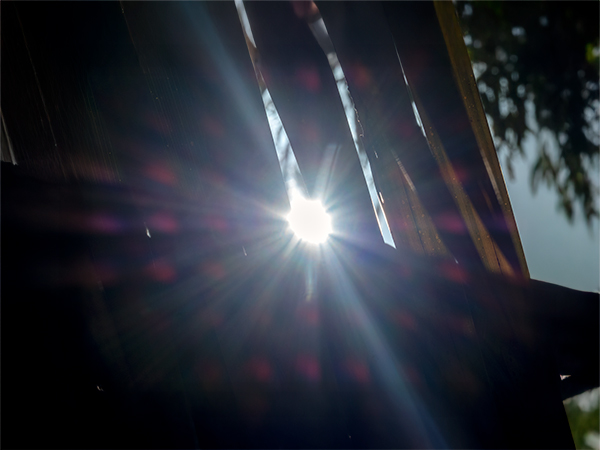
Sunstar at 70mm focal length, ISO 200, 1/100 second at f/22.
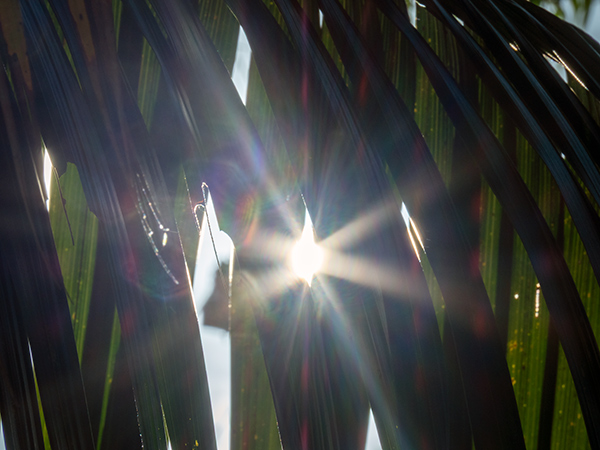
Sunstar at 150mm focal length, ISO 200, 1/160 second at f/22.
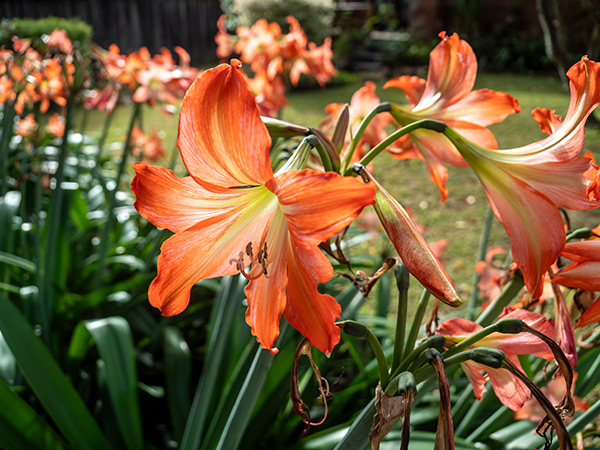
Close-up at 14mm focal length, ISO 200, 1/500 second at f/4.
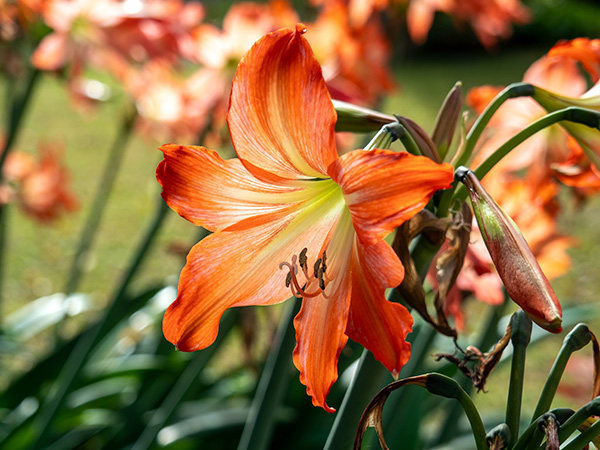
Close-up at 45mm focal length, ISO 200, 1/320 second at f/5.4.
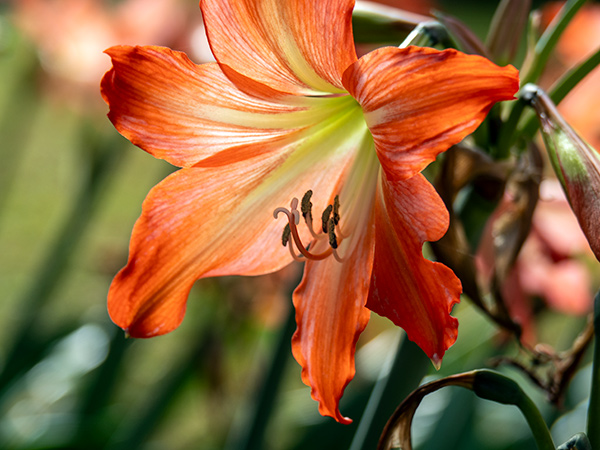
Close-up at 70mm focal length, ISO 200, 1/320 second at f/5.5.
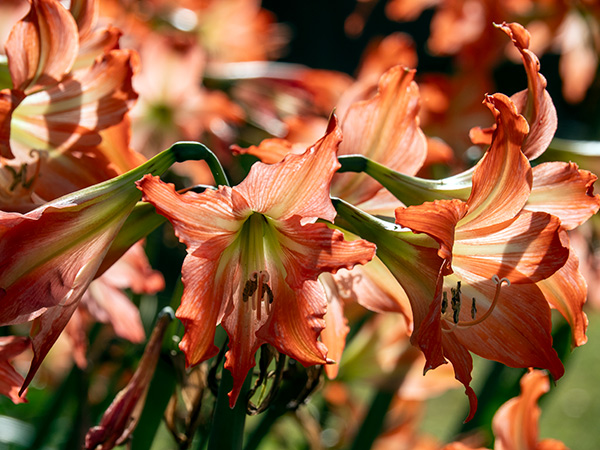
Close-up at 100mm focal length; ISO 200, 1/400 second at f/5.6.
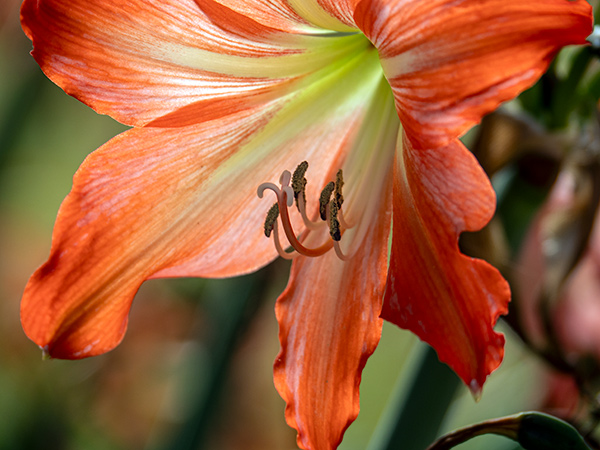
Close-up at 150mm focal length; ISO 200, 1/320 second at f/5.6.

Portrait shot; 39mm focal length; ISO 200, 1/100 second at f/5.6.

36mm focal length, ISO 200, 1/320 second at f/10.
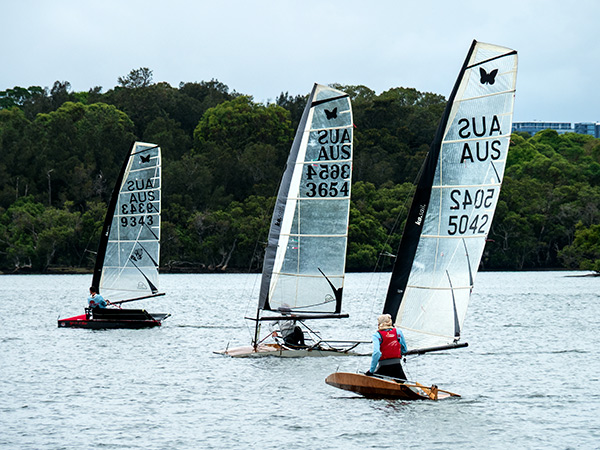
150mm focal length, ISO 200, 1/400 second at f/7.1.
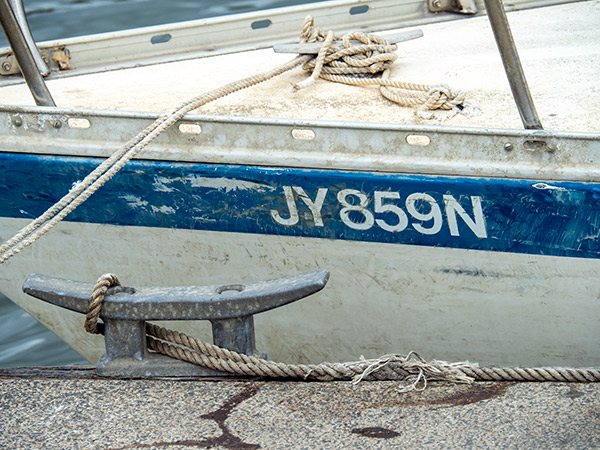
120mm focal length, ISO 200, 1/320 second at f/8.
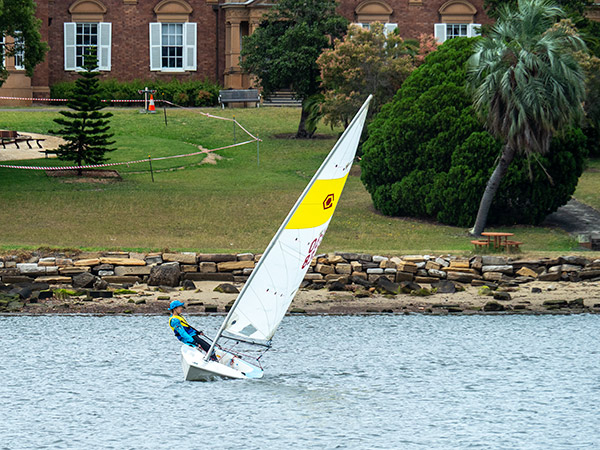
150mm focal length, ISO 200, 1/320 second at f/8.
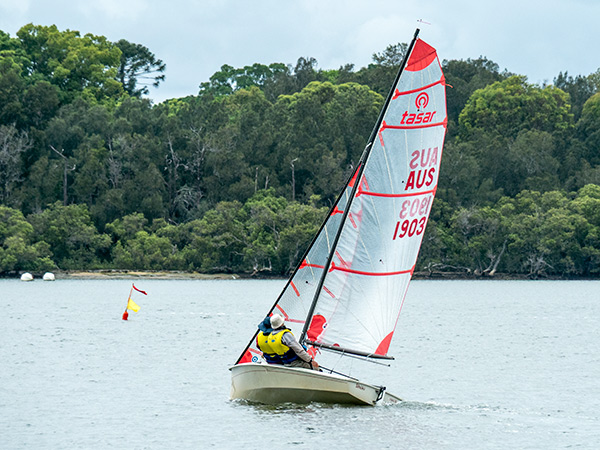
150mm focal length, ISO 200, 1/400 second at f/7.1.

150mm focal length, ISO 200, 1/320 second at f/6.3.
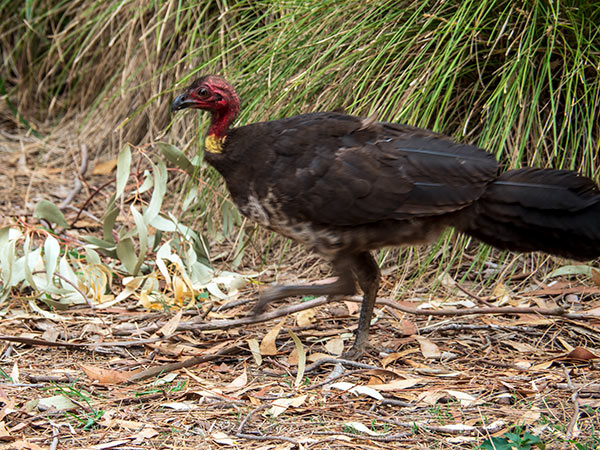
120mm focal length, ISO 200, 1/80 second at f/5.6.
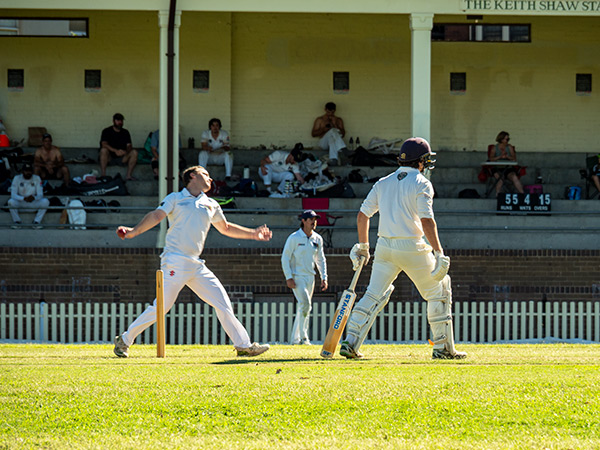
150mm focal length, ISO 200, 1/320 second at f/6.3.

45mm focal length, ISO 320, 1/10 second at f/5.6.

42mm focal length, ISO 1250, 1/100 second at f/5.6.

47mm focal length, ISO 200, 1/160 second at f/7.1.

Backlighting; 14mm focal length, ISO 640, 1/60 second at f/4.

Backlighting; 135mm focal length, ISO 1600, 1/80 second at f/6.3.

15mm focal length, ISO 400, 1/60 second at f/4.5.

47mm focal length, ISO 500, 1/100 second at f/6.3.

150mm focal length, ISO 200, 1/320 second at f/5.6.

31mm focal length, ISO 200, 1/80 second at f/5.6.
Rating
RRP: AU$774
- Build: 8.9
- Handling: 8.9
- Image quality: 8.8
- Autofocusing: 8.9
- Versatility: 8.9
BUY