For optimal results, when applying any form of sharpening to your digital images, follow these rules:

Inspiring ways to improve your photos
Inspiring ways to improve your photos
Photo Review tips section
For optimal results, when applying any form of sharpening to your digital images, follow these rules:

All serious photographers shoot RAW files when taking pictures they plan to edit and print. The reason is simple: RAW files give you greater adjustment flexibility, thereby allowing you to recreate the shot you saw and gain the best quality from your digital camera. However, before you can edit RAW files from your camera they must be converted into standard TIFF or JPEG format.
Although some countries require works to be ‘of artistic merit’, in Australia, copyright protection applies automatically to all photographs from the moment the camera’s shutter button is pressed. It doesn’t matter whether they are taken by a professional photographer or Aunty Jane and you don’t need to register or publish the photo or apply a copyright notice – the protection is free and automatic. In addition, most copyright protection applies worldwide.
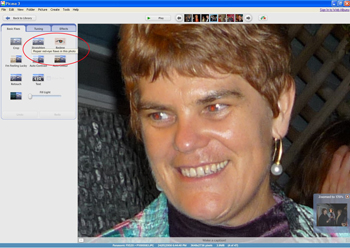
Moving the slider to the right tilts the horizon on the right side upwards, while moving it to the left tilts the image in the opposite direction.
Changing the sizes of image files is one of the most common software-based tasks in digital photography. Regardless of the type of digital camera you own, there will be times when the files it produces have to be resized for either printing or emailing. The process is simple, and can be done with virtually any editing application. It allows you to match the image parameters to the way the image will be viewed, so you can share your photos more effectively. It can also save you both time and money when you want to have prints made at a lab.
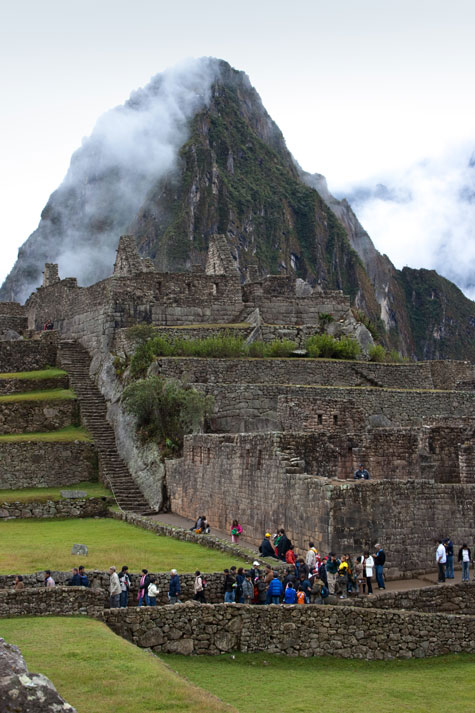
In the summer many photographers set off to visit iconic places. Often these are once-in-a-lifetime trips where you would like to take pictures without hordes of other tourists getting in the way.
What can you do in cases of accidental file deletion or card failure?
We’re constantly on the lookout for great new digital imaging tools. Every week we spend hours searching the Internet for genuinely useful software that helps photographers to scan, organise, edit and print their pictures. Below is a list of our favourites.

With the proliferation of social websites where people upload images for sharing, the ownership and re-use of digital pictures has become an important issue for photographers at all levels. When you publish a digital photo on a website – or provide it on a disk to a friend or customer – it’s wise to protect that image against illegal copying.
After facing a tricky file conversion and batch processing challenge, our editor set off into the wilds of the web to find a few useful solutions.
Ads can be a pain, but they are our only way to maintain the server. Please deactive Ads blocker to read the content. Your co-operation is highly appreciated and we hope our service can be worth it.